 Jibrin
Leicester City are struggling to respond to an escalating crisis as the club faces potential ruin despite isolated positives. This discussion looks at their FA Cup defeat to Southampton, the club’s drop into the relegation zone, reactions to the midweek humiliation, and the impact of fielding their youngest side in 17 years.
For Leicester City, the FA Cup tie at Southampton was arguably only their third most important event of the day.
More crucial were the matches at Loftus Road, where Blackburn faced QPR, and at Fratton Park, where Portsmouth hosted Sheffield United — results that carry significant consequences for both the short- and long-term future of the club.
With Blackburn securing victory, City now sit inside the Championship relegation zone. They are confronting the threat of a second successive relegation and a fall to the lowest league position in the club’s history, a situation that could have serious financial ramifications.
The club finds itself in a precarious position — and currently lacks anyone to steer it out. It has been 21 days since Marti Cifuentes was dismissed, and a permanent replacement has yet to be appointed.
Of the 35 managerial changes across the top four divisions this season, only twice have clubs gone longer without making an appointment. Southampton, for example, took 33 days to confirm Tonda Eckert as Will Still’s successor, though he had already been in caretaker charge and won his first four games during that period.
Among teams who did not appoint their caretaker, only Barrow waited longer than City, going 23 days before naming Paul Gallagher. Leicester will match that delay if no permanent manager is appointed by Tuesday.
Faith in the club’s leadership is at an all-time low, and this prolonged limbo is eroding it further. A rushed appointment would be problematic, but so too is waiting this long.
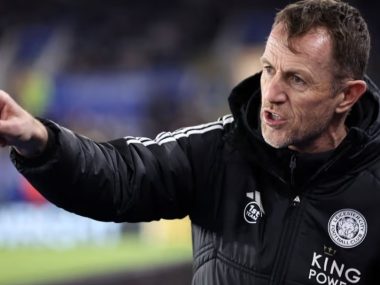
The interim manager, Andy King, has been clear from the outset that he does not wish to assume the role permanently. Yet after three weeks and four defeats, he remains in charge.
Meanwhile, Blackburn, who replaced Valerian Ismael after just 11 days, demonstrated the immediate impact a managerial change can have. Michael O’Neill arrived only the day before their win at QPR and credited caretaker Damien Johnson for preparing the team, but his presence still provided a fresh voice and oversight on the sidelines.
The result for Rovers carried far more significance for Leicester than their own FA Cup exit. That, in itself, compounds the club’s humiliation — especially given they lifted the FA Cup just five years ago.
But this is the current reality at Leicester City. They have tumbled rapidly, and the urgency for a managerial appointment grows with every passing game.
City need to avoid ‘survival mode’
How can City escape their predicament? According to King, it starts with avoiding “survival mode.” That may sound counterintuitive, but King’s explanation is clear and insightful.
Reflecting on Saturday’s performance and comparing it with Tuesday’s disaster, King said:
“Across the game, I was really pleased by how the players went about it. We got back to having control.
What I didn’t like about the second half on Tuesday night, and I was very clear with the players about this, was that we almost lost the commitment to passing the football.
We went into survival mode and started kicking it long, playing with hope rather than a purpose. We looked better today in terms of going back to that.
We had a lot of the ball. We were brave, we took it into good areas and we wanted to play through. That suits the players we’ve got.”
King describes “survival mode” as a state of panic, where players abandon their focus and the gameplan, relying on instinct rather than structure — ultimately making situations worse.
While City didn’t reach the heights of the first half of their league meeting with Southampton, they avoided the depths of Tuesday’s collapse. Over 90 minutes, they dominated possession, generated more shots — including inside the box — and came agonizingly close to a last-minute winner.
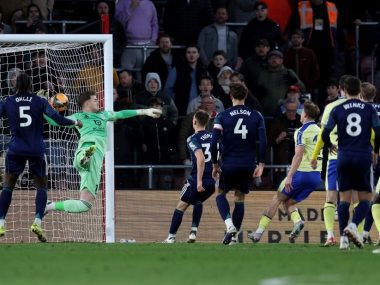
Extra-time brought disappointment, as City failed to exploit a young Southampton side and again conceded from a set-piece. The scoreline could hardly have repaired the humiliation of Tuesday, yet the performance hinted at progress in understanding how to prevent a repeat collapse.
Crisis threatens to overshadow positives
At an average age just over 23, Leicester fielded their youngest starting lineup in 17 years, with five academy graduates, including three teenagers and a 21-year-old captain. Bade Aluko and Louis Page stood out for their maturity, decision-making, and growth since the start of the season.
King reflected:
“Ben Nelson, it was important for him as a young lad from the academy to wear the captain’s armband. I remember my first time doing it as a young player as well. I thought it was right he got it, to try to bring some leadership out of him.
It was a good day for the academy despite the result. I was really pleased with the four teenagers (Aluko, Page, Jeremy Monga and Man City loanee Divine Mukasa). They did everything we asked of them.
We know they have quality, but I thought their performance was mature. I thought they played the game the right way, I thought they defended in the structure the right way and went about doing what we asked really well.”
While the academy shows promise, the club’s ongoing crisis threatens the development of young talent. Financial pressures and league rules encourage selling homegrown players, meaning stars like Nelson and Monga could depart this summer.
How the “shop window” players fared
King viewed the FA Cup tie as a shop window to impress a potential new manager. Some stood out, others less so. Jakub Stolarczyk struggled, Victor Kristiansen showed rust, while Aluko, Page, and Monga impressed with their skill and composure. Some may drop out when league play resumes; a new manager could bring entirely different assessments.
City heading for their worst season
With 14 games remaining, and the FA Cup now out of the equation, survival in the Championship is the sole focus. Remaining fixtures are tough; only Portsmouth have a harder schedule, even factoring in games in hand. West Brom and Sheffield Wednesday have picked up fewer points since Christmas, with Wednesday conceding the most goals.
Leicester are not only in the relegation zone but moving in the wrong direction as competitors improve. These are historically dire times, and the club has 14 games to avoid the worst season in its history.


 Jibrin