 Jibrin
Leicester City Q+A: Relegation financial impact, new manager delay, where squad and Rowett meet
Your questions answered on the consequences of dropping into the third tier, why it’s taken so long to hire a manager, the positives and concerns around Gary Rowett, and more.
Leicester City have slipped into the relegation zone but seem to be progressing in their search for a new manager.
As might be expected, the potential fallout from a drop to League One and the ongoing managerial search are the hot topics this week. Here’s a breakdown of the questions fans are asking.
Why has the manager hunt taken so long?
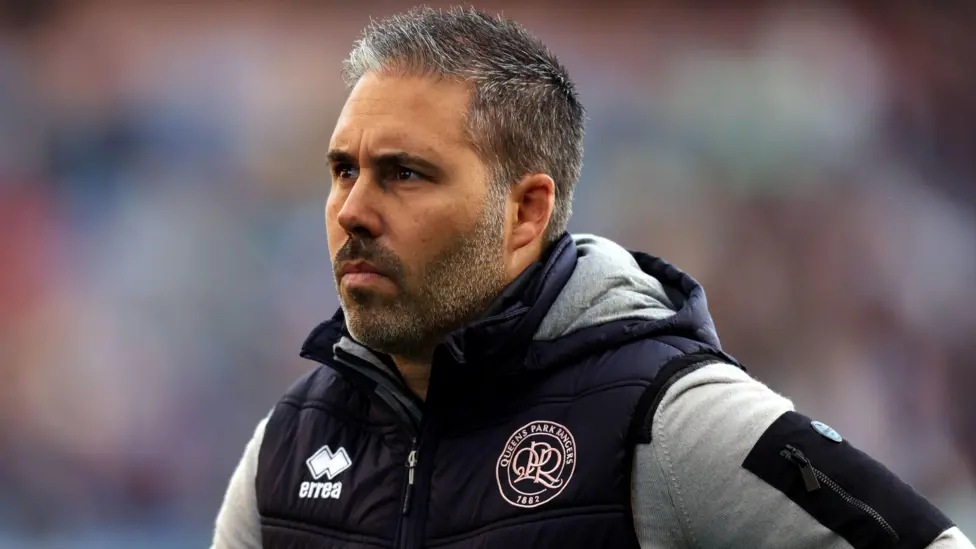
Initially, it was because Marti Cifuentes was dismissed without a replacement lined up.
City also had to weigh whether to appoint a long-term manager immediately or opt for a short-term solution until the end of the season. More thought had to go into deciding the best course of action given the precarious position they find themselves in.
Yet, the process has still taken far too long. Aside from Southampton with Tonda Eckert — who was already in caretaker charge — this is the longest any club has taken to bring in a permanent manager this season.
Considering they had an interim manager who had stated he did not want the role, it felt like a greater sense of urgency was needed, and that Andy King should not have had to oversee four games.
While thoroughness is necessary, given the crisis City face, it feels like too many matches have been lost.
It also suggests Gary Rowett was not an immediate first-choice. He was available as soon as Cifuentes was dismissed, yet it has taken over three weeks for him to emerge as the leading candidate.
This either indicates City were rejected by their preferred options, or those they approached did not inspire confidence that they could lift the club out of its current predicament.
Rowett’s remarks on the “very, very poor management” of the club suggested he did not see himself as under consideration. Those comments were quite critical of a potential future employer.
Even with time wasted, there is still a window of opportunity for Rowett to turn the situation around.
Why did the club sack Marti Cifuentes without a succession plan?
The atmosphere and reaction of the crowd at the King Power Stadium has often influenced managerial decisions in the past, and the chairman’s presence at the Oxford match may have prompted the decision to remove Cifuentes when it may not have been planned previously.
If it was clear that improvement was unlikely, there was little point in retaining Cifuentes.
They might as well have Andy King in charge and hope it sparks something within the squad.
Striking a balance is tricky when a managerial contingency is needed. Good organisation, whether a manager is under pressure or not, requires a clear plan for where to turn in the event of a change in the dugout.
However, starting conversations with potential replacements can undermine the current manager. No club wants to make the job harder for the person they’ve appointed.
Given the desperate situation City are in, it would have been expected that potential new managers would have been lined up well before parting ways with Cifuentes.
Is Gary Rowett the right man to keep City up?
There are many positives to Rowett taking the reins. He knows the league thoroughly and is unlikely to be caught off guard. He should be able to hit the ground running.
He can also organise a defence. A one-in-three clean sheet rate is impressive. Since defence is where City need the most help, there should be confidence that if Rowett can sort that aspect, the attacking quality will do the rest and guide them to safety.
The main concern is whether his style of play suits the squad. Rowett’s teams haven’t focused on possession in the way City attempt to.
It will be interesting to see where compromises are made. Perhaps Rowett has only coached that way because of the squads he’s inherited, and he will adjust to match City’s strengths.
Alternatively, the players may need to adapt. Arguably, the current approach isn’t working, so a completely new system may be required.
It will be intriguing to see where the squad and manager intersect, and whether it’s a partnership that pays dividends.
What will the financial impact of dropping to League One be?
Substantial. City would need a major restructuring to avoid PSR issues or more severe financial troubles.
Part of the challenge is that City haven’t spent enough time in the Championship to adjust to a second-tier budget. They’re likely operating on near-Premier League-level finances, and the gap between divisions is so large that adjusting within a single season is difficult.
Back-to-back relegations, coupled with adapting to League One finances while still feeling the effects of Premier League-era spending, means City would have to make significant cuts this summer.
In the 2023-24 season, when City were in the Championship, turnover was £105m, heavily supported by parachute payments from the Premier League. Their wage bill was £107m, a 102 per cent wage-to-turnover ratio.
By comparison, the highest revenue in League One that season was £21m at Bolton, a fifth of City’s Championship revenue.
Even accounting for continued parachute payments and City’s status as one of the biggest clubs in the division, it will still be a massive drop.
Without exact figures for this season, the impact is hypothetical, but it’s clear that major player sales and wage reductions will be required to avoid financial peril.
What was the plan with Jordan James, as hinted by Marti Cifuentes?
The plan partly involved James not being recalled by Rennes and being sold elsewhere. His loan contract contained no January recall clause.
Cifuentes’ excitement suggested there may have been a plan to make the move permanent, with City holding a buy clause.
However, James’ injury and the need to strengthen other positions meant that plan had to be put aside.
If City remain up and the transfer is financially viable, they will likely look to sign James permanently. The question now is whether he would want to join, or if he’ll aim higher.


 Jibrin